
Guide
Does a new car battery need to be registered or coded?
On BMW, MINI and many Audi, Volkswagen and Porsche models, yes. These cars track the age and type of the battery and adjust charging to match. Registering a new battery resets that tracking. If it is skipped, the car keeps charging the new battery as if it were the old one.
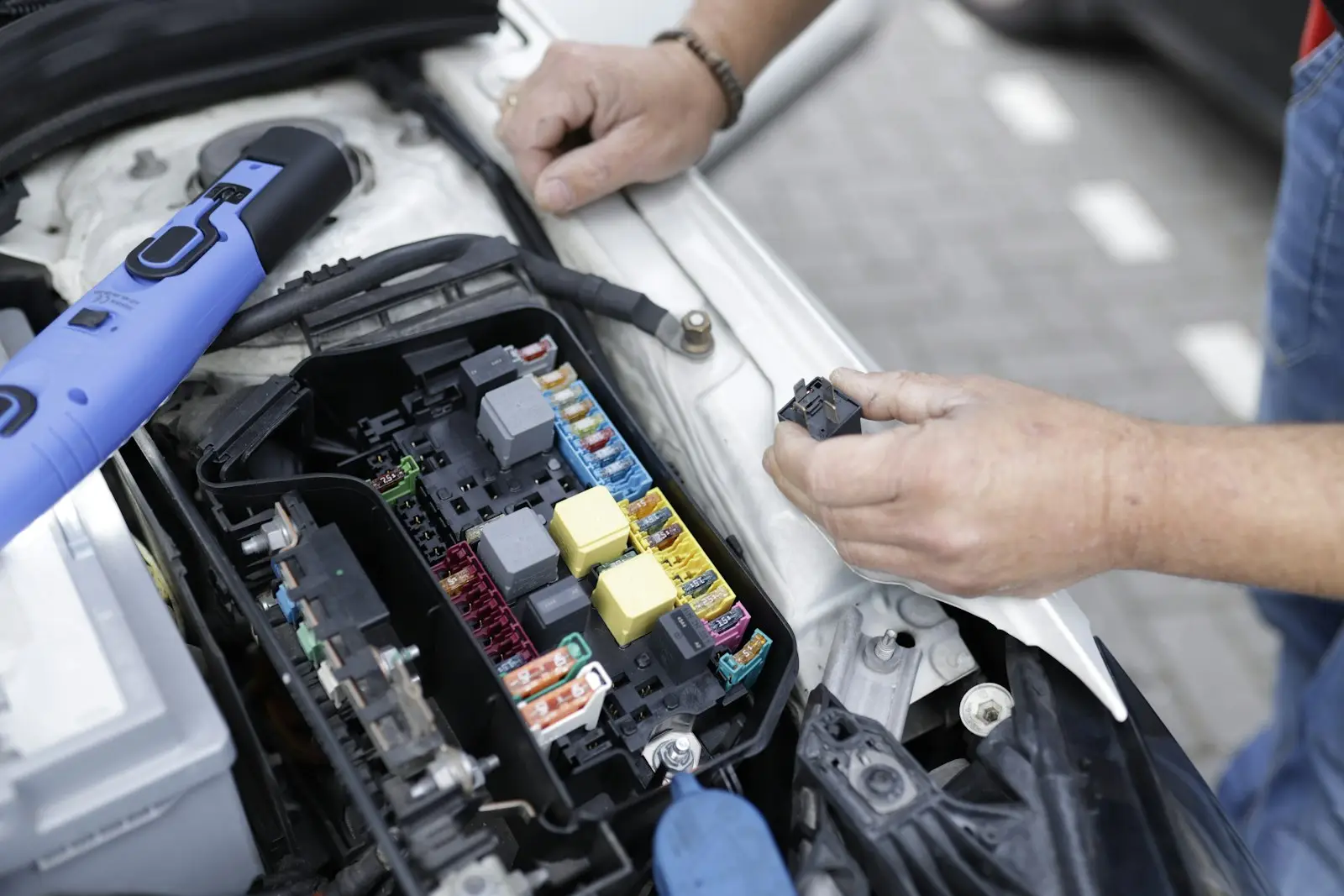
What registration does
A battery sensor on the negative terminal measures current, voltage and temperature. The car uses that data to decide how hard to charge the battery and which electrical loads to shed when charge is low.
As a battery ages, the car raises the charging voltage to compensate. Registration tells the car a new battery is fitted, so charging goes back to the level a new battery needs.
Registration versus coding
Registration is needed whenever the battery is replaced, even with an identical one.
Coding is needed when the new battery is a different capacity or type, for example moving from a standard flooded battery to AGM, or from 80 Ah to 90 Ah. The car has to be told what it is charging.
What happens if it is skipped
The car will start and run. The problems show up later:
- The new battery can be overcharged, which shortens its life
- Start-stop may stop working
- The car may shut off comfort features to save power
- Battery or charging warnings on the dash
How long it takes
Registration takes a few minutes with the right diagnostic software. We do it as part of every battery replacement on cars that need it.